
The Most Precious Gifts
by Juan Gomez
As the chaplain for the Oncological Surgery Mission Trip, I had the privilege to meet and accompany patients and family members as they went through major surgical procedures. There were 10 patients who underwent advanced cancer surgeries as part of Solidarity Bridge`s annual mission trip in partnership with the Oncological Institute of Eastern Bolivia located in the city of Santa Cruz.
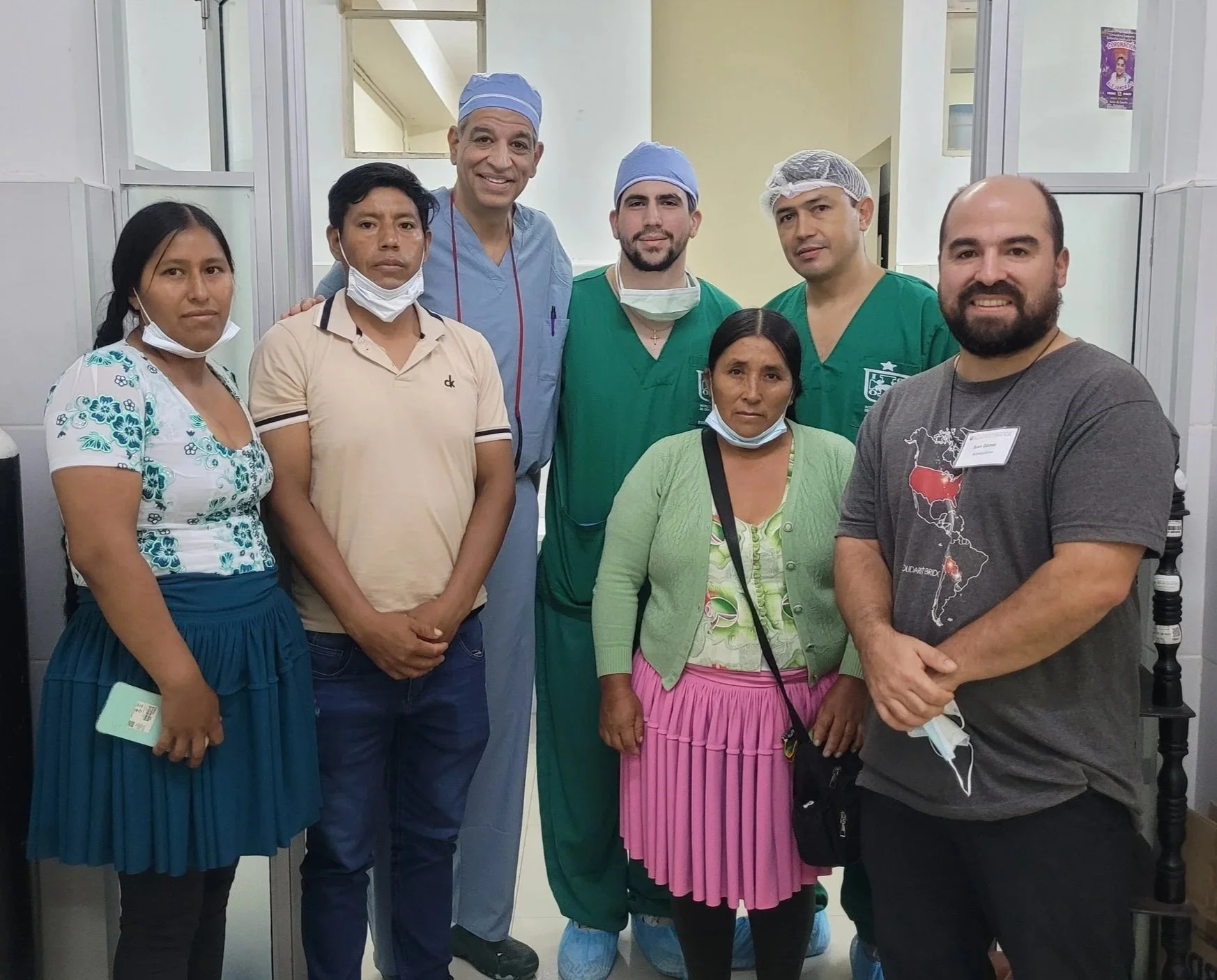
These are complex cases that many local doctors are hesitant to operate, reserving them for the specialized surgeons who come specifically for this mission. Patients arrive at this stage almost as their last option; surgery can be the difference between a few months, a few years, and maybe a second chance at life.
I witnessed very difficult situations that families go through, and I had a chance to dive briefly into their sorrows, worries, and circumstances; even though only one person is ill, the entire family bears the burden together. I accompanied family members, sons and daughters, mothers and fathers, in the period of limbo while their loved one underwent surgery. Giving comfort during the fear and uncertainty of waiting and then rejoicing with them in prayer when their family member safely returned after a successful surgery.
These 10 patients and their families taught me profound lessons. Even though I’m still processing them, I’ll venture to share a few:
I was struck by the strength and calm with which patients entered these complex surgeries. Their complete faith and trust in God gave them the confidence needed.
The dedication and commitment of women is truly remarkable; women relatives were the vast majority accompanying and caring for patients.
We take so many things for granted, as if it were the most natural thing in the world, when there is so much to be grateful for. In most cases, the tumors had to be removed attached to parts of the pancreas, stomach, intestine, etc., or parts of the jaw and facial skin. When talking to one patient about this before the surgery, he told me, "As long as there's life, we'll find a way to live." It made me reflect on how we tend to spend our lives desperately acquiring and accumulating things, while others simply want to live.
Serving as a chaplain on this mission trip has made me realize how out of order my own worries and preoccupations can be. This new perspective makes my own life priorities feel superficial and vain, and chasing after them has blinded me. The patients and their relatives I met during this mission trip made me realize that I already have the most important and valuable things in life: my family is healthy, and most importantly we are alive. We often take life and health for granted, without realizing that they are the most precious gifts we have.
I was deeply moved by this mission experience, realizing I need to value life significantly more and be far more grateful, not only for all that I have, but also for all that I have not had to face.
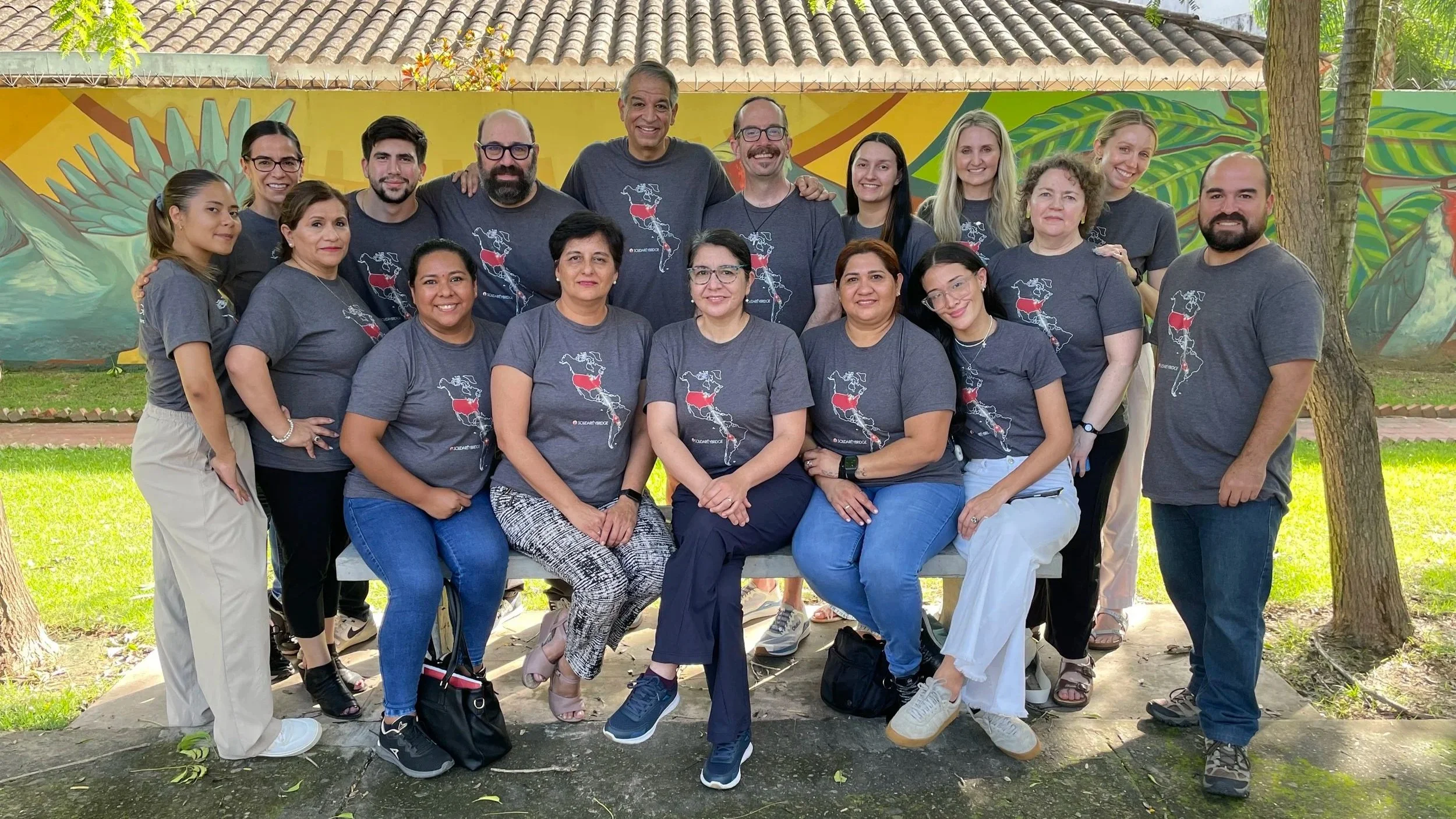
The Oncological Surgery Mission team in Santa Cruz, Bolivia.
