Neurosurgery Resident Education That Crosses Borders in Both Directions
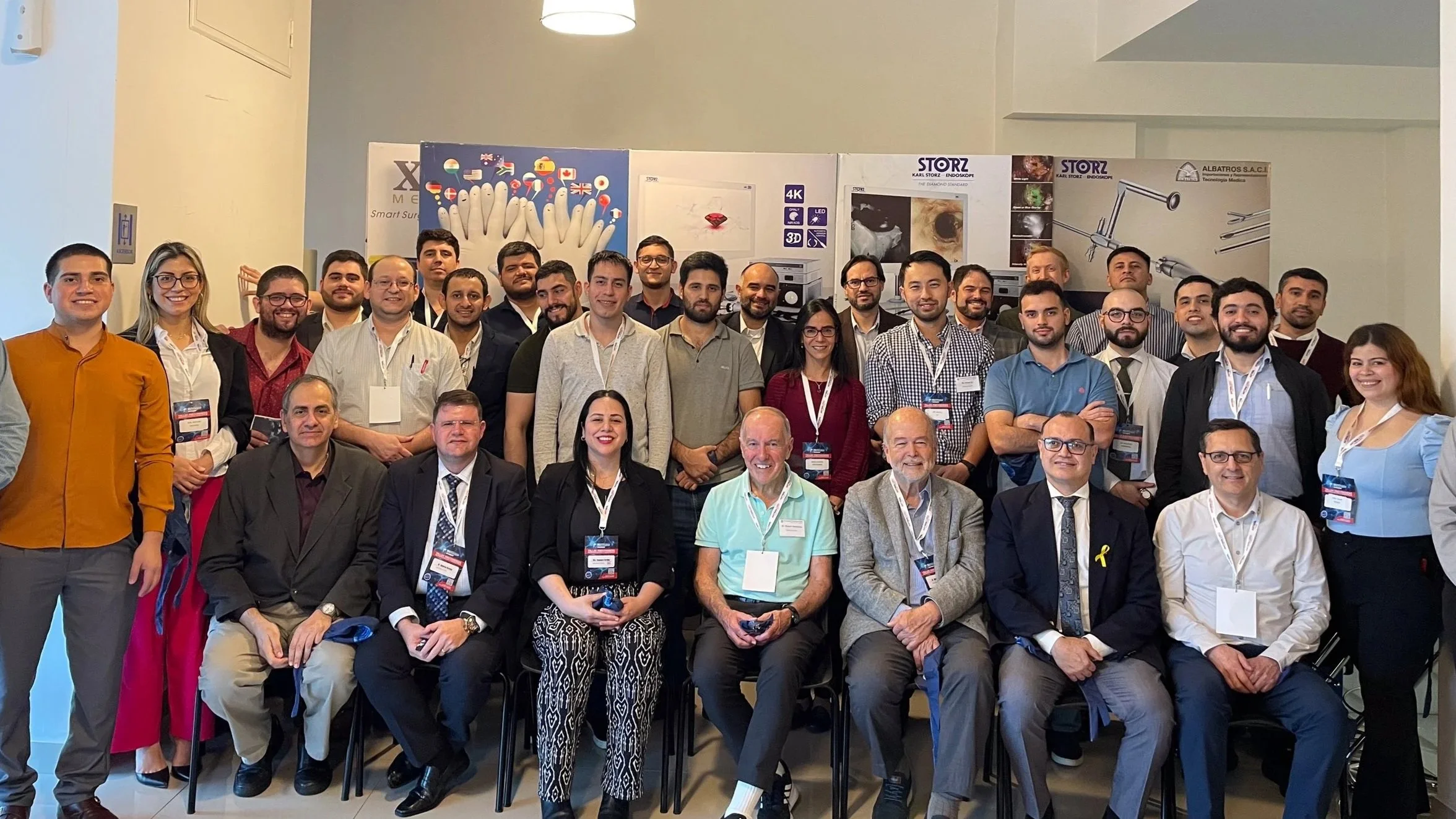
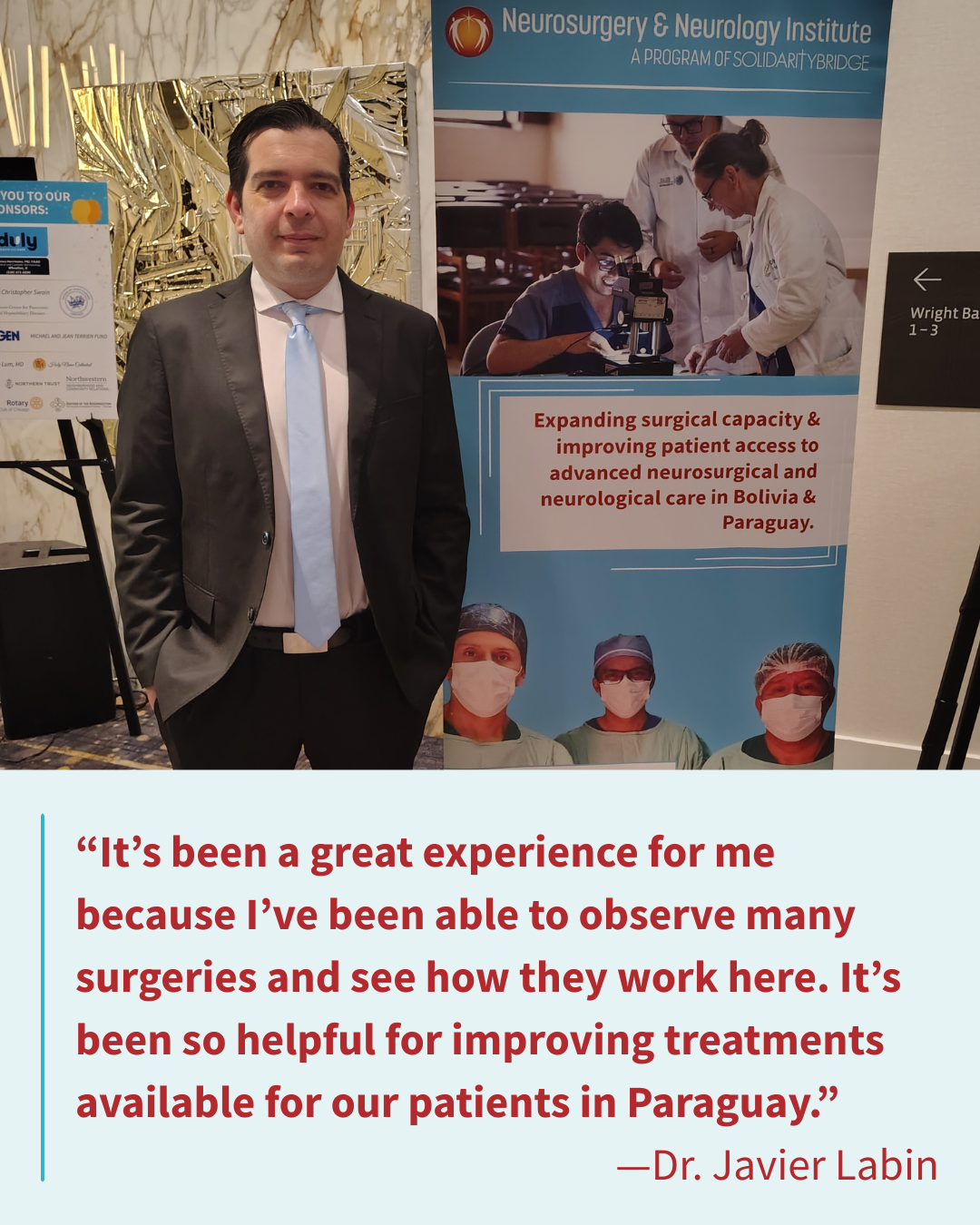
Now in its fourth year, the Neurosurgery Resident Education Program—run in partnership with the University of Wisconsin–Madison Department of Neurological Surgery—continues to strengthen the training of neurosurgery residents and early-career physicians in Bolivia and Paraguay. The program was created to address gaps in mentorship and access to advanced neurosurgical training in their home countries, with the aim of preparing the next generation of neurosurgeons to improve the quality of care, expand surgical options, and enhance patient outcomes across the region. Through a combination of bi-weekly virtual lectures, hands-on training in residents’ home institutions, and U.S. observerships, the program is expanding access to high-quality neurosurgical education while helping to build long-term local capacity.
The impact of the program is clear. In a recent survey, 90% of participants reported that the virtual lectures are useful for their daily clinical work. Beyond the numbers, participants emphasize how the program keeps them connected to the latest advancements in the field.
“The program gives us a complete education in current neurosurgical management in the United States, which is among the most up to date in the world. Neurosurgeons must always keep studying and training, and these classes help achieve that goal.”
— Program participant
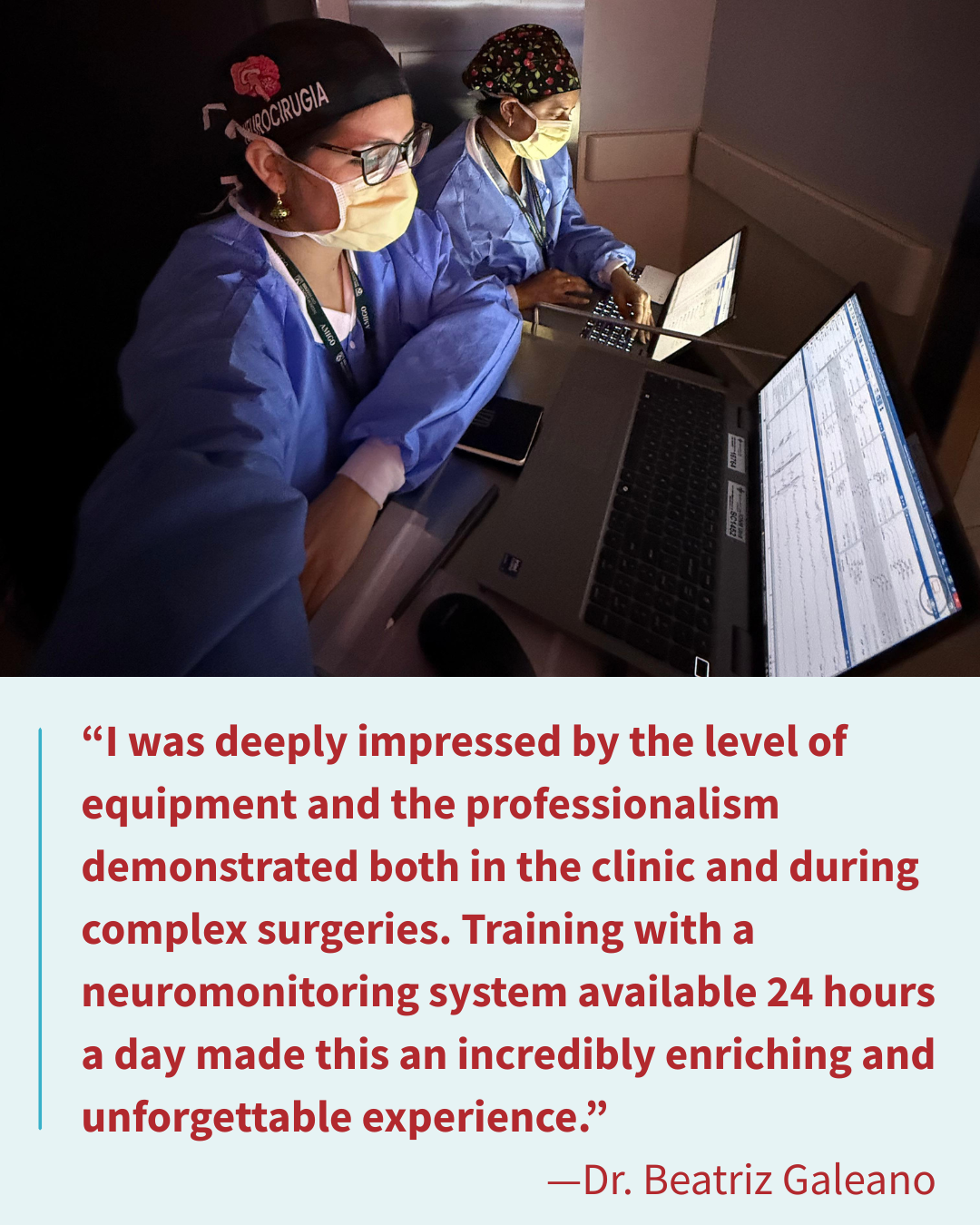
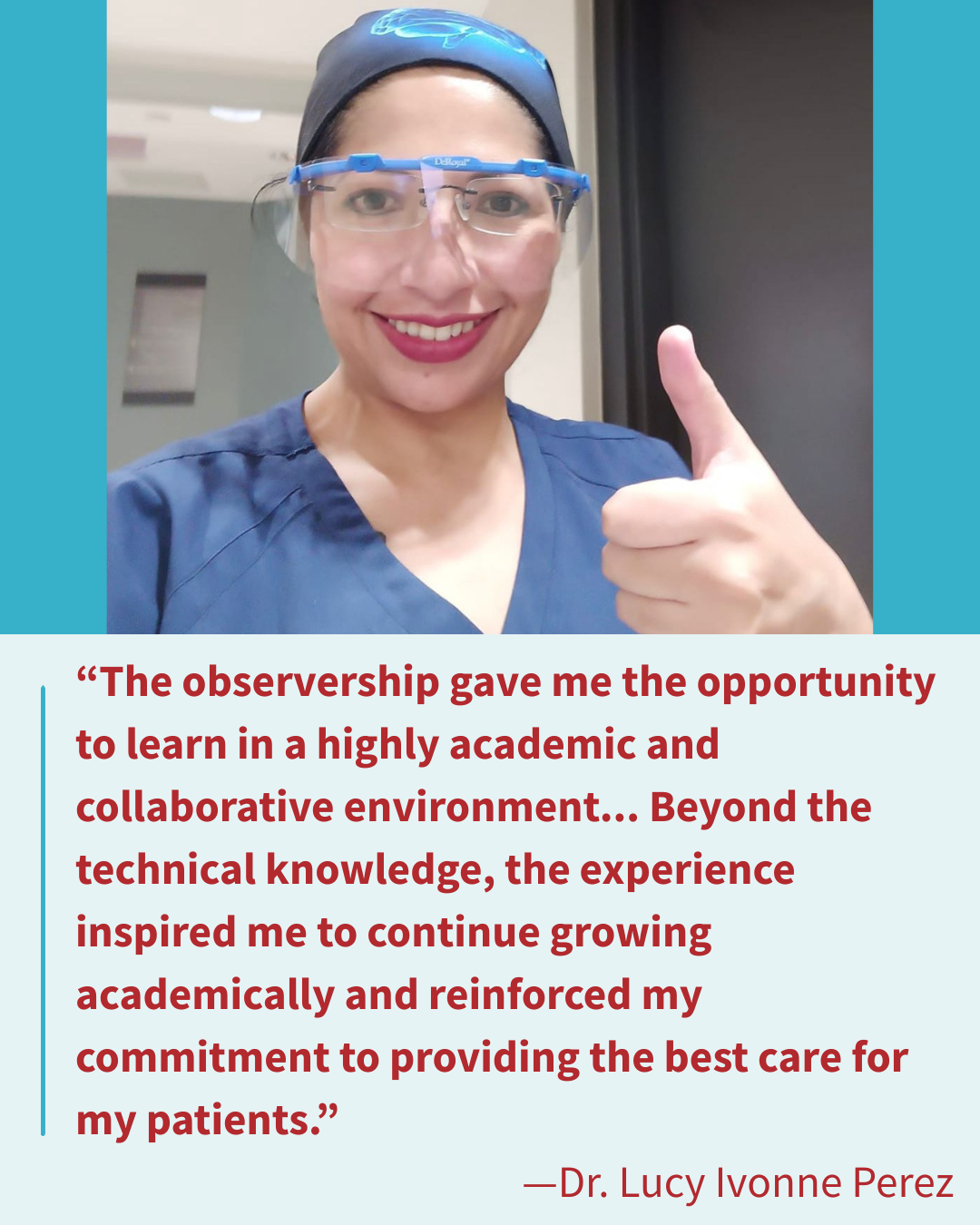
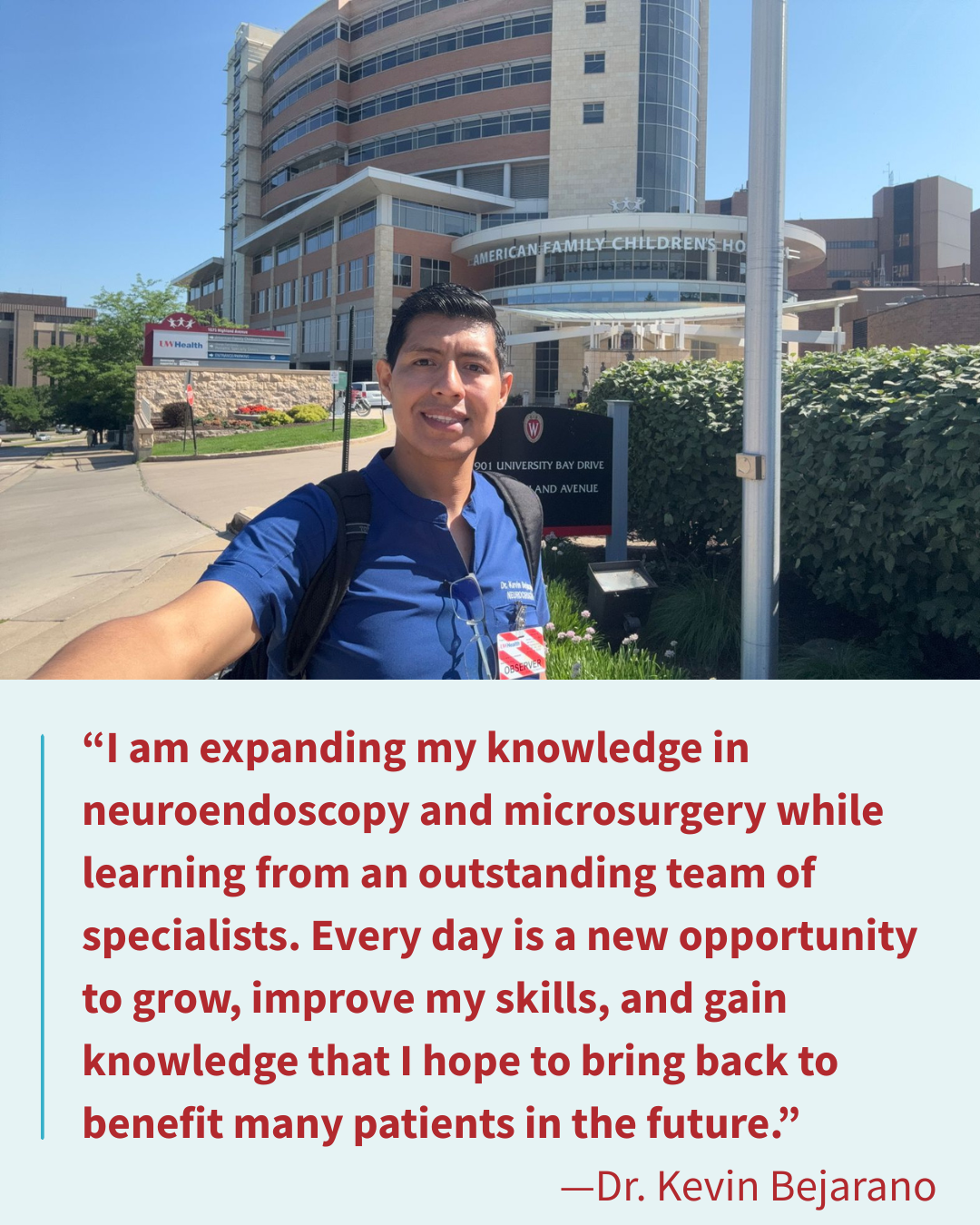
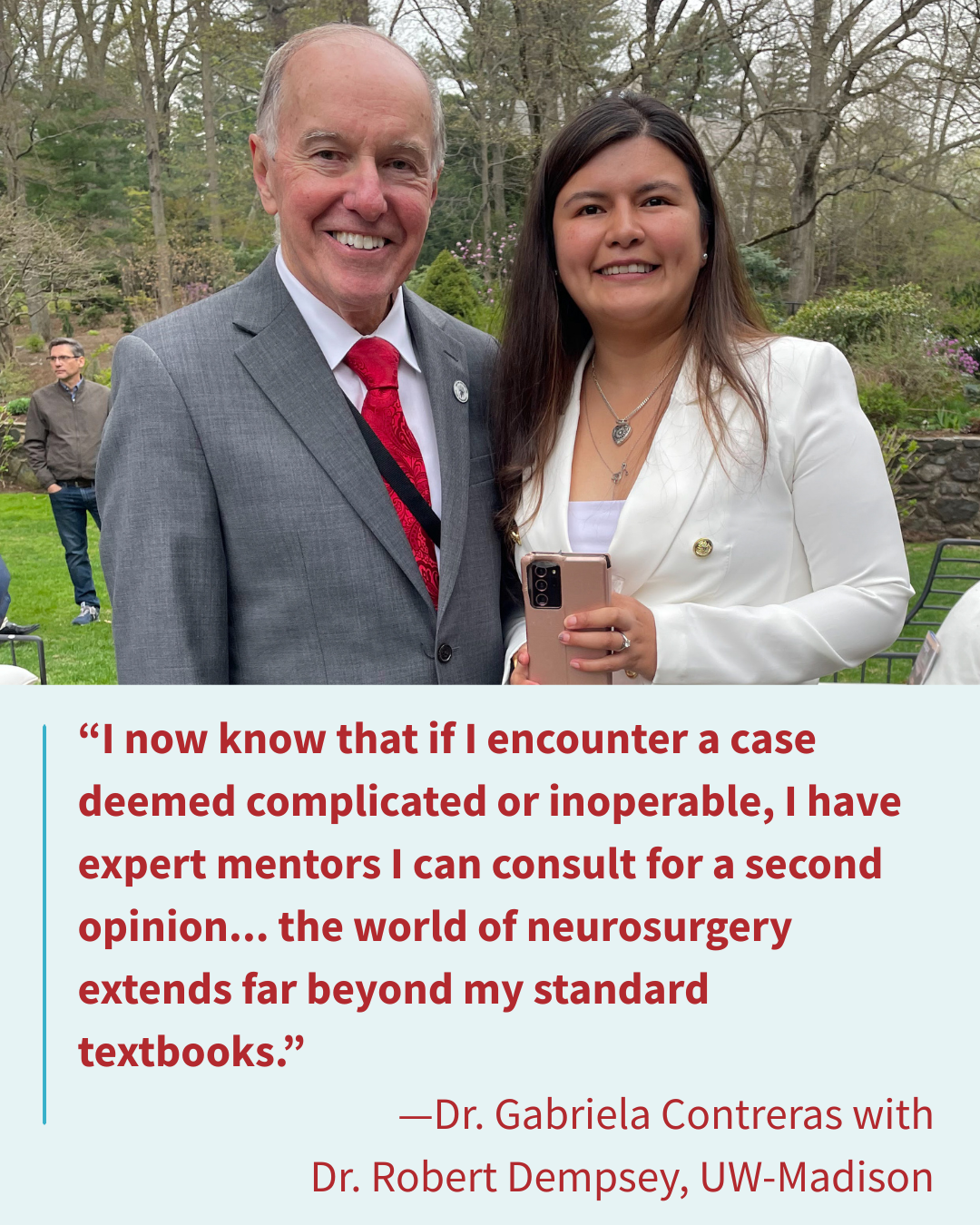
A key component of the program is the opportunity for international observerships. Now in its second year, the U.S. Neurosurgical Observership initiative selects two outstanding participants annually for a one-month immersive experience at the University of Wisconsin–Madison Department of Neurological Surgery. To date, the program has supported four observerships at UW–Madison. The international partnerships created through Solidarity Bridge have also led to specialized neuro-monitoring and anesthesia observerships for Paraguayan residents and early-career doctors with Mass General Brigham.
These observerships offer far more than technical exposure—they provide a comprehensive view of patient care in a multidisciplinary, high-resource setting. Participants gain insight into clinical decision-making, patient-centered approaches, and collaboration across subspecialties.
“It is especially valuable to learn in an environment that prioritizes not only operating-room technical skills but also clinical reasoning, decision-making, patient-centered care, and multidisciplinary teamwork. Training with specialists from different neurosurgical subfields would broaden my perspective, strengthen my knowledge, and help me develop sounder and more confident judgment.”
— Observership applicant
By integrating ongoing education with hands-on and international learning opportunities, the Neurosurgery Resident Education Program is helping to equip the next generation of neurosurgeons with the skills, knowledge, and perspective needed to improve patient care in their home countries.
Meet the 2025 and 2026 Observership Recipients: