
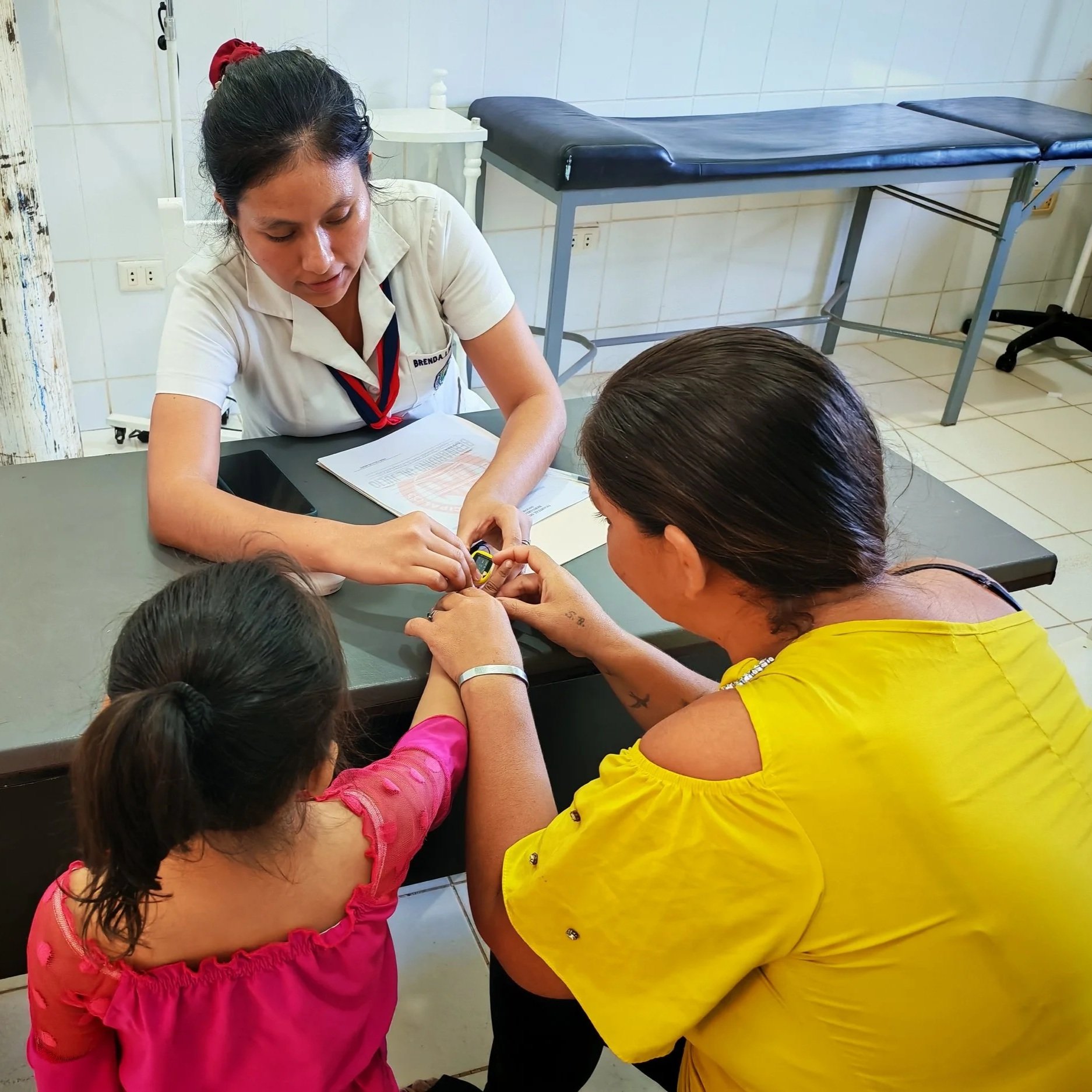
“Witnessing this reality of epilepsy, compounded by poverty and a lack of information about the disease and its treatment options, is tremendously difficult.”
These words emerged from a conversation with pediatric neurologists Dr. Víctor Hugo Cuéllar and Dr. Giovanna Flores of the Children’s Hospital in Santa Cruz, Bolivia. We were reflecting on what we had witnessed during our first pediatric epilepsy detection, diagnosis, and treatment campaign at Municipal Hospital Bernardino Gil Julio in San José de Chiquitos, in the rural Chiquitanía region of Bolivia’s Santa Cruz department.
Over two days, 38 children received specialized neurological care. Nineteen underwent electroencephalograms (EEGs), thanks to Dr. Jorge Carpio, an EEG specialist who traveled with our team and brought the necessary equipment. For many of these children, this was their first opportunity to receive specialized neurological evaluation.
The campaign also identified critical next steps in their care. Eight children need MRIs, two require additional EEGs, one needs an electrocardiogram, and another requires an evoked potentials study. Two children may be candidates for epilepsy surgery. Carmen Salses, social worker with Puente de Solidaridad, is helping each family navigate the next steps and access the diagnostic testing and follow-up care their children need.
What We Learned by Listening
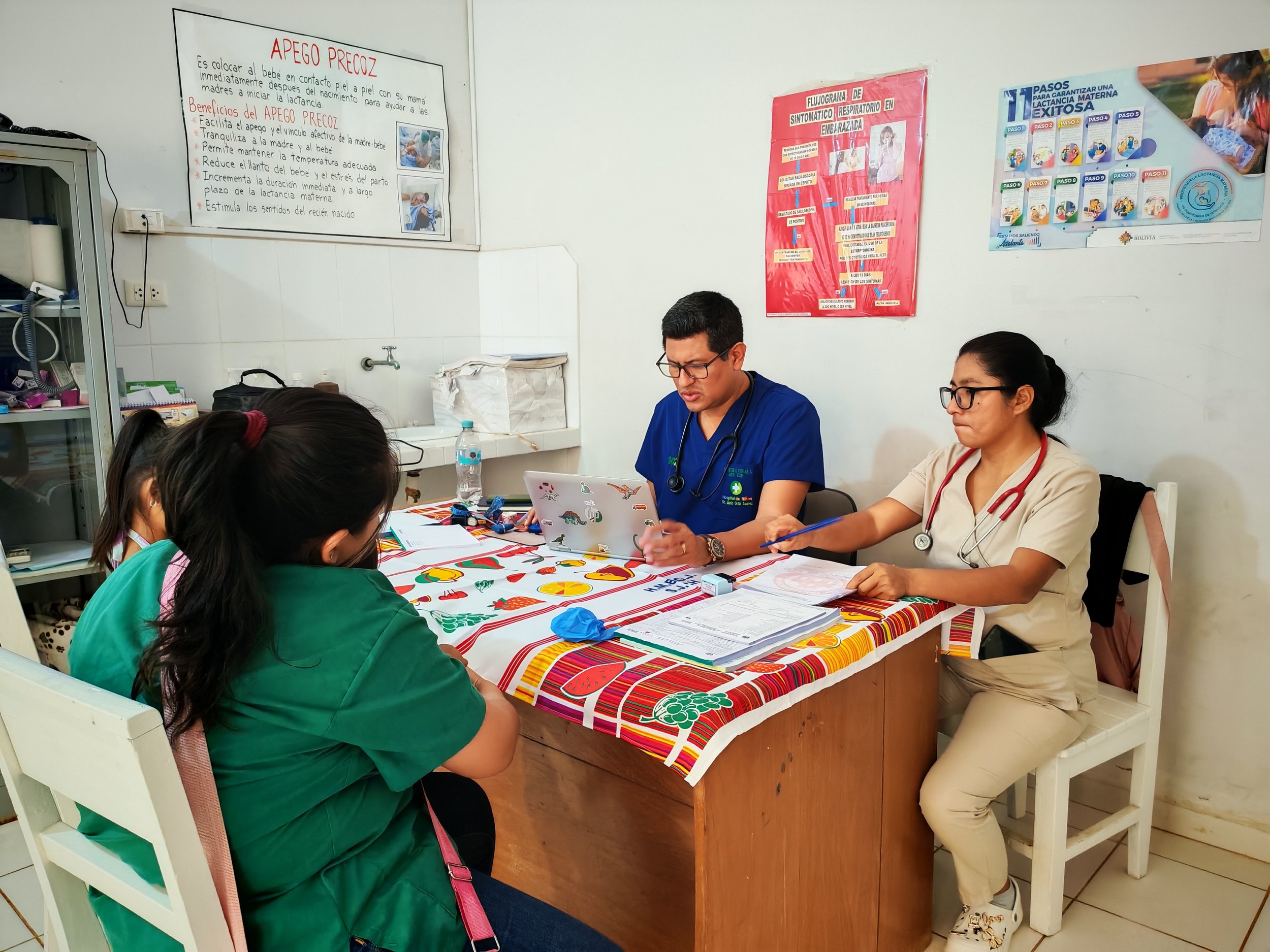
Throughout the campaign, conversations with families and local pediatricians revealed both the challenges these children face and the determination of the people working to care for them.
Many children have never had access to specialized diagnosis or appropriate treatment. Several children diagnosed with epilepsy during the campaign had previously gone without the neurological evaluation and care they needed.
Distance is a formidable barrier to care. By bringing specialized consultations and diagnostic testing, including EEGs, to San José de Chiquitos, we spared families a journey of more than 276 kilometers to Santa Cruz. For families already facing economic hardship, that journey can be out of reach.
Parents are deeply committed to their children. The families we met were eager to learn about epilepsy, understand their children’s diagnoses, and discover how best to support them. Their questions and determination reminded us how essential accessible, understandable information is to effective care.
Local health care teams are ready to be part of the solution. As hospital director Dr. Juan Carlos González emphasized, the hospital is committed to helping patients overcome barriers to care. The local team was exceptionally organized and prepared for our visit, having participated in virtual planning sessions and established WhatsApp groups to coordinate appointments. They are also exploring telehealth collaboration with the Children’s Hospital in Santa Cruz to continue monitoring these 38 children and support future patients.
Together, these lessons reinforced an important truth: improving access to epilepsy care requires more than a medical diagnosis. It requires bringing services closer to families, equipping local health care providers, sharing reliable information, and building systems that support children long after a medical campaign ends.
Knowledge, Compassion, and Local Partnership
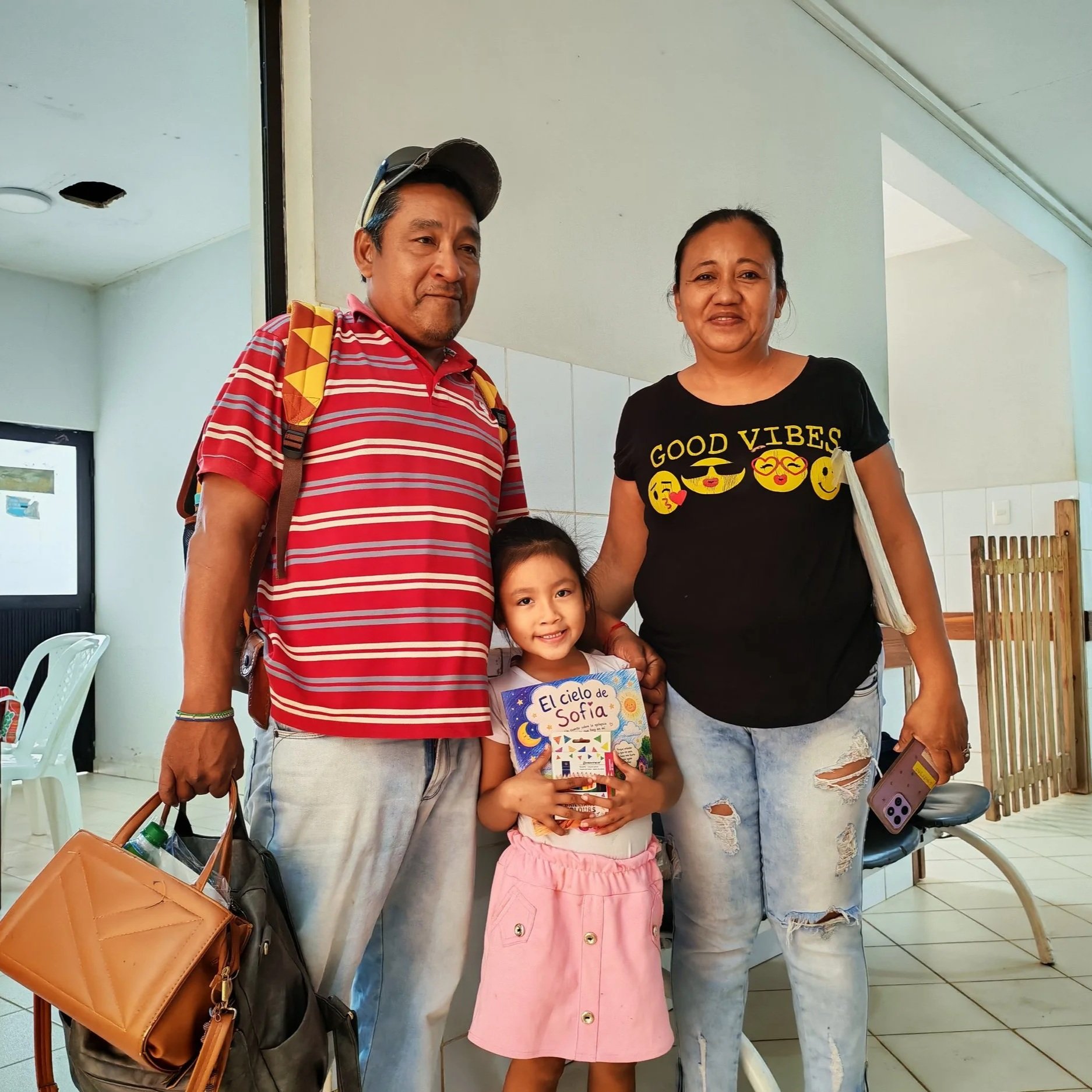
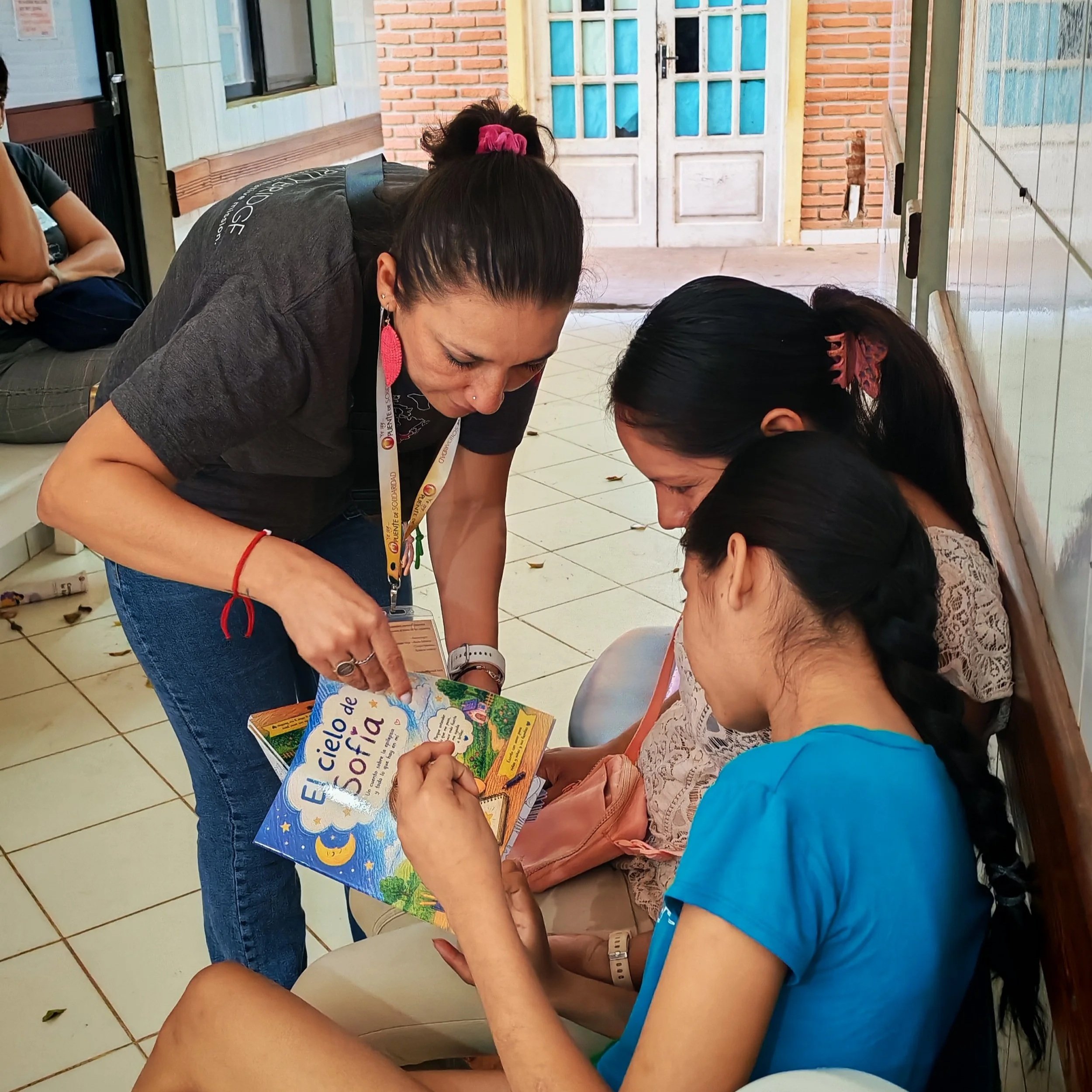
Alongside specialized medical care, our partners at Puente de Solidaridad developed educational posters, pamphlets, and a children’s coloring book to help families and communities better understand epilepsy. Drawing on international resources, including materials from the International League Against Epilepsy, they adapted the content to the local context.
Pediatric neurologists Dr. Flores, Dr. Cuéllar, and Dr. Martínez reviewed the materials to ensure their medical accuracy and relevance. Copies were distributed to parents, health care providers, and municipal authorities, who will help share them through local schools and primary health care centers.
These resources are an important part of the campaign’s lasting impact. By increasing awareness and dispelling misconceptions about epilepsy, we hope to help families recognize symptoms, seek care earlier, and better support children living with the condition.
From Statistics to Human Stories
This campaign changed us. It deepened our understanding of the barriers children with epilepsy face and renewed our commitment to expanding access to the diagnosis, treatment, and ongoing care they deserve.
Scientific literature estimates that approximately 70% of people with epilepsy in Latin America do not receive the care they need. We knew this statistic before arriving in San José de Chiquitos. But knowing the numbers is one thing. Seeing the reality firsthand is another. Witnessing it changes you.
We met Ángel, a 14-year-old boy whose seizures forced him to leave school when he was just six. Today, he works alongside his father in the soybean fields. His story brought into focus what untreated epilepsy can mean for a child—not only in terms of health, but also in lost educational opportunities and a future shaped by circumstances that might have been different with earlier access to care.
During this campaign, we became part of Ángel’s story, and he became part of ours. We cannot change what he has already experienced, but we can work alongside our partners to help him access the care he needs and create better possibilities for children like him.
We are deeply grateful and humbled to collaborate with the Children’s Hospital in Santa Cruz on this initiative. Together with our partners at the University of Wisconsin–Madison, Lurie Children’s Hospital, the University of Chicago, the ROW Foundation, and Puente de Solidaridad, Solidarity Bridge is working to build sustainable pathways to better epilepsy care for children in Bolivia. Thanks to our longstanding partnership with the ROW Foundation, we have been able to provide ongoing epilepsy medication to patients who otherwise would not have access to it, including those treated through this campaign.
For Ángel, for the 37 other children we met in San José de Chiquitos, and for the many children we have yet to reach, our commitment remains the same: to bring compassionate, specialized care closer to home and help ensure that a child’s health, education, and future are not limited by where they live or what their family can afford.
