
Advancing a New Model of Neuro Care: Convening Key Partners and Institutions at Our NNI Symposium
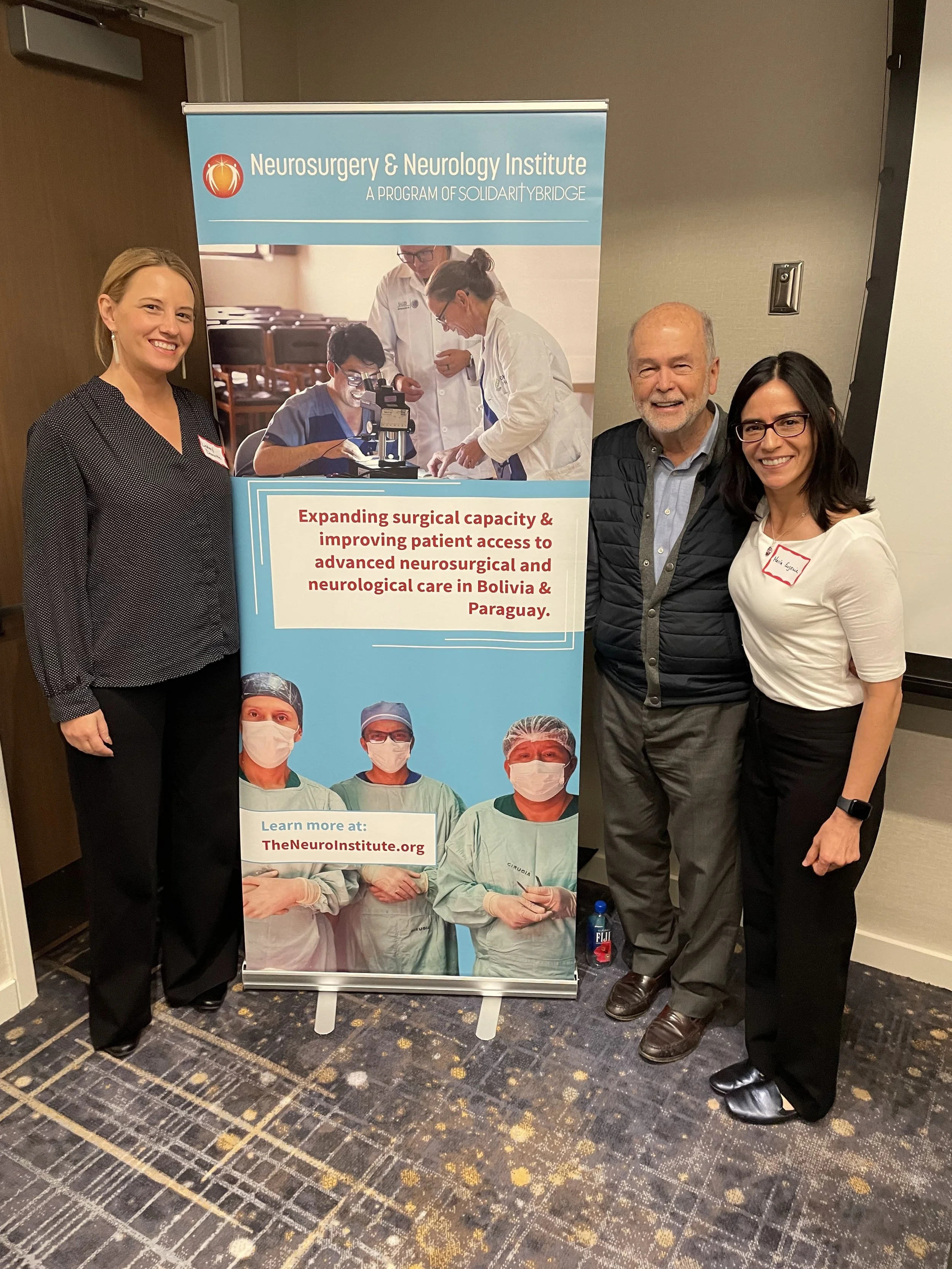
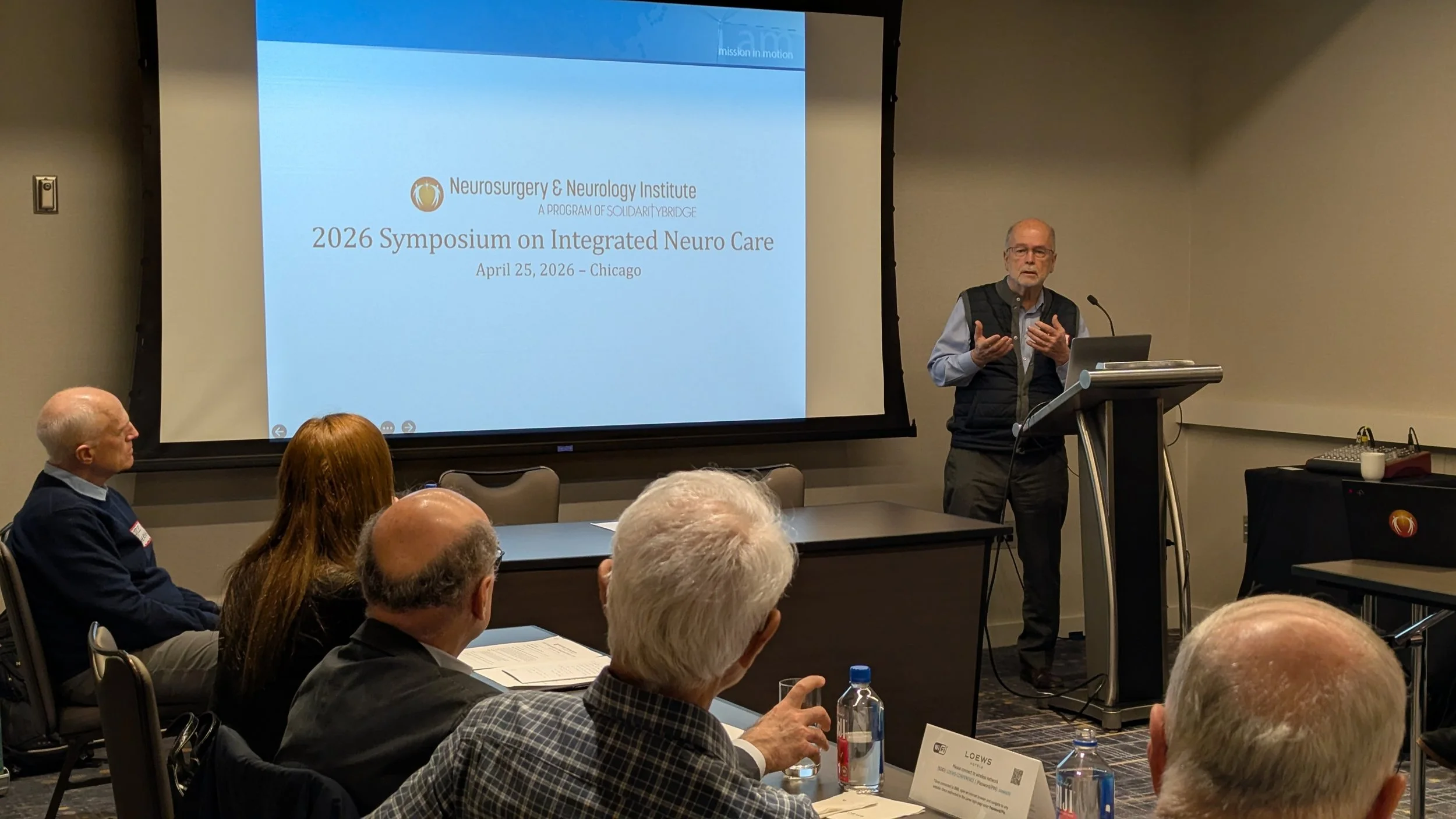
On April 25, 2026, Solidarity Bridge’s Neurosurgery and Neurology Institute (NNI) convened partners in Chicago for a groundbreaking symposium focused on strengthening global neurosurgical care through a more integrative approach.
Leaders in neurosurgery, neurology, and multidisciplinary neuro care joined from institutions across the United States, alongside partners from Paraguay, Bolivia, and the G4 Alliance. Many of these collaborators have spent the past seven years working with Solidarity Bridge to develop a model that moves beyond short-term interventions and focuses on building complete, locally led systems of care.
Rather than centering only on surgical training on mission trips, this approach brings together neurosurgeons, neuroanesthesiologists, neurocritical care teams, and rehabilitation specialists—strengthening care across the full patient journey, from emergency response to recovery. We are currently implementing this type of model in Bolivia and Paraguay, where it has contributed to improved coordination, expanded capacity, and better patient care.
The symposium created space to reflect on these lessons and explore how this model can be adapted and scaled in other settings.
Key takeaways:
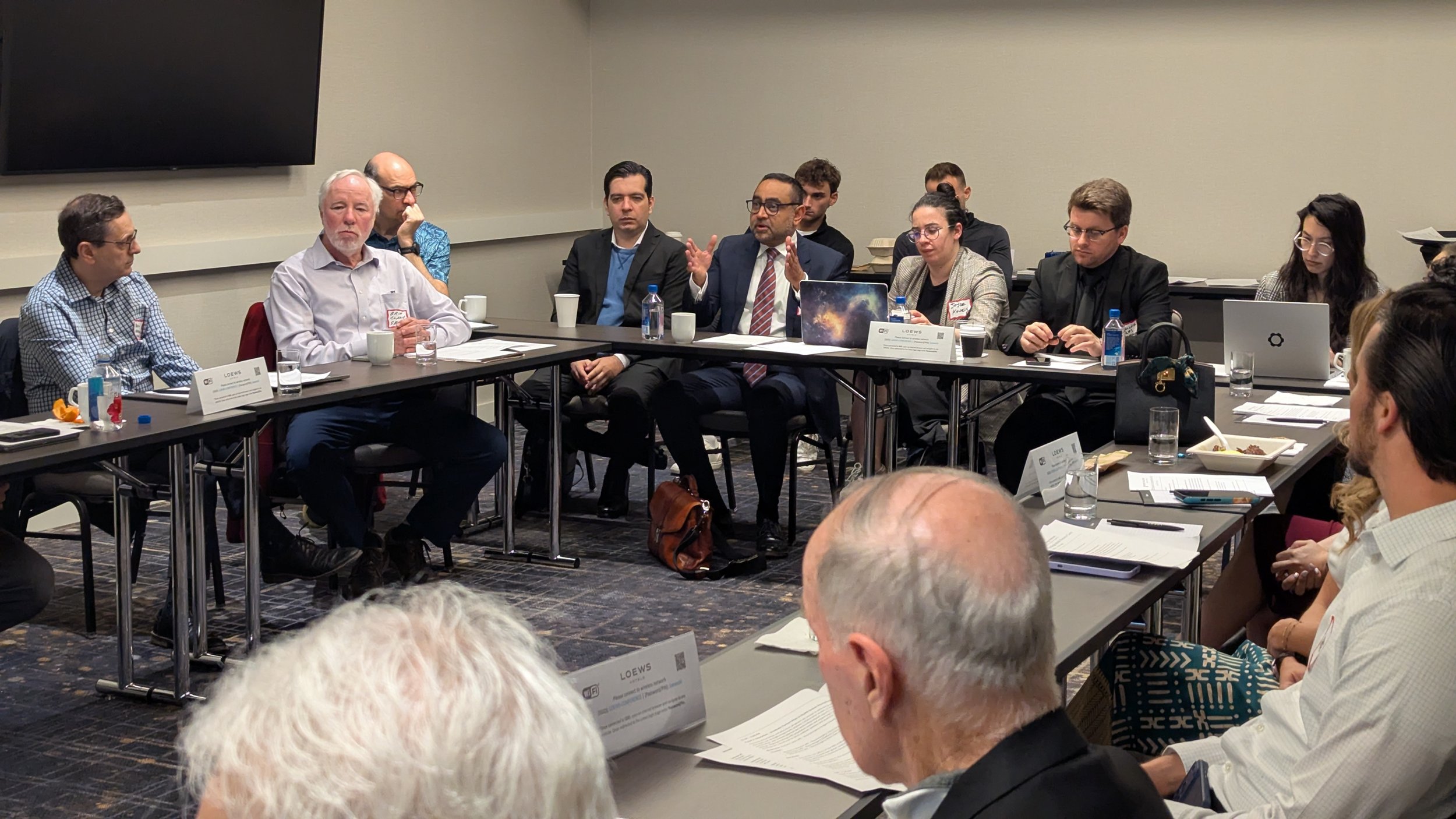
Effective neuro care must be system-based rather than specialty-based. Excellent neurosurgery alone is insufficient; outcomes depend on coordinated collaboration across the continuum. Fragmentation leads to delays, communication failures, and preventable complications. Ongoing multidisciplinary communication—before, during, and after NNI trips, and throughout the year via virtual technology—is essential.
Sustainable education requires longitudinal partnership. The Fellowship at Home model enables advanced training within local clinical environments, supporting local ownership and leadership rather than temporary transfer of expertise. Priorities include regular multidisciplinary case reviews and expanded virtual mentorship between U.S., Bolivian, and Paraguayan partners.
Research must be locally driven rather than extractive. It should improve patient care and influence policy, not simply generate publications for outside institutions. Priorities include maintaining neurotrauma registries, collecting context-specific outcomes data, supporting locally led study design, ensuring shared authorship, and translating findings into clinical protocols and advocacy.
Financing, advocacy, and institutional partnerships are critical for scalability. Future growth will require strategic philanthropy, institutional partnerships, government engagement, and shared funding priorities. NNI can help align stakeholders and strengthen advocacy.
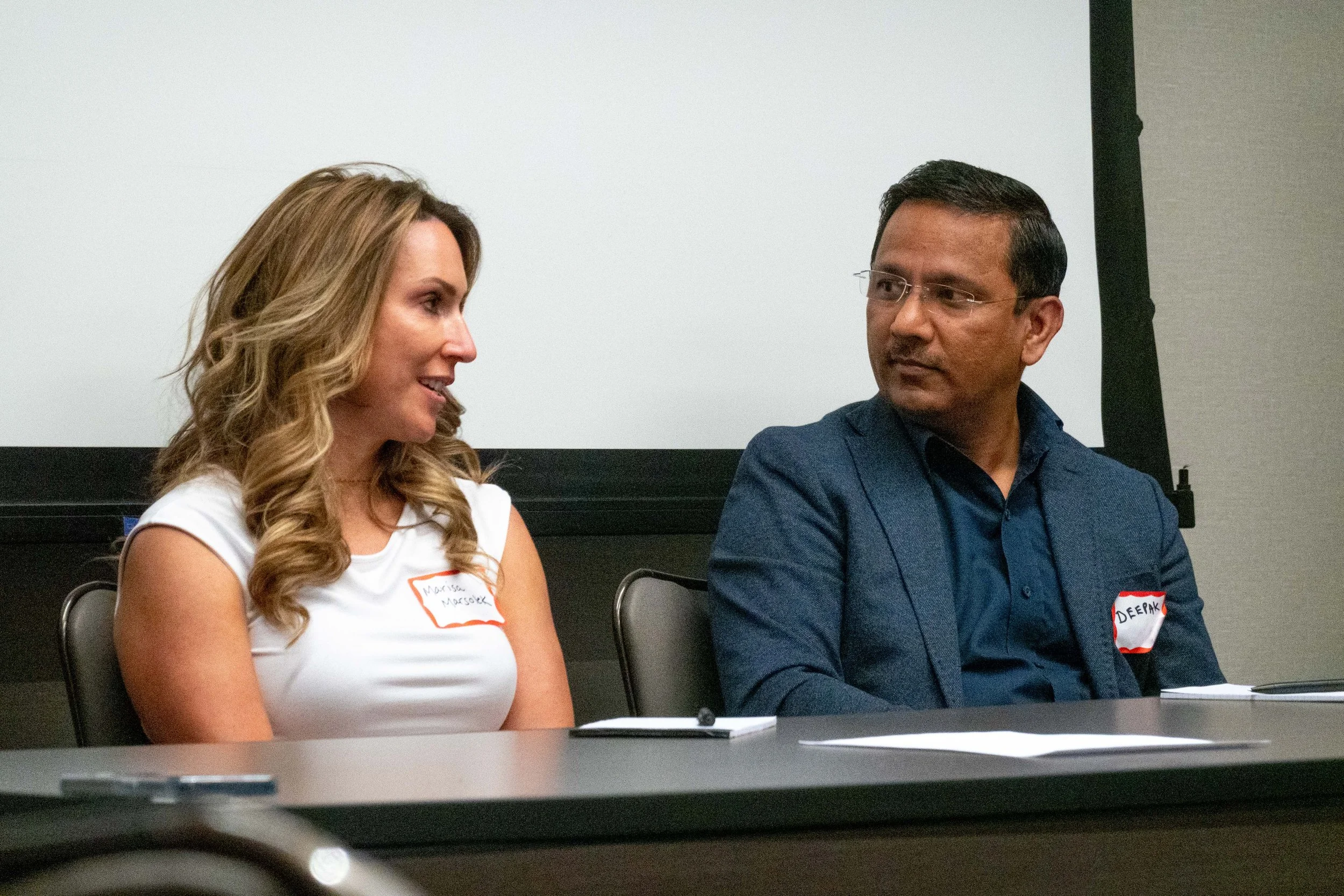
Looking ahead, the symposium called for development of a replicable integrated neuro care framework for new partnerships that clearly defines core disciplines, partnership expectations, educational pathways, research structures, financing strategies, outcome metrics, and longitudinal patient tracking. Participants also emphasized the need to build institutional rather than individual partnerships to ensure continuity beyond any single physician or volunteer.
Ultimately, the symposium was not primarily about neurosurgery itself, but about reimagining how neuro care is delivered in resource-limited settings where the stakes are exceptionally high. The clearest vision that emerged was a transition from missions to systems, from helping to partnering, from expertise transfer to shared ownership, and from short-term service to long-term solidarity. This represents the future of integrated neuro care and reflects the model that Solidarity Bridge is helping to advance.
Thank you to our outstanding institutional partners, including: Caja Nacional de Salud - Bolivia, the G4 Alliance, Hospital General de Luque - Paraguay, Hospital Nacional de Itauguá - Paraguay, Joe Sherman Coaching and Consulting, Mass General Brigham, NeuroRestorative, NYU Langone Health, Oregon Health & Science University, Penn State Health, Solidarity Bridge, Puente de Solidaridad, Stanford University, UC Davis, Neurosurgery & Spine Group, University of Colorado, University of Illinois Chicago, University of Massachusetts, University of Washington, University of Wisconsin–Madison.
