
Four Years of Collaboration in Neurotrauma Care: Progress and Lessons Learned
The Complexity of Neurotrauma Care
Clinical treatment in neurotrauma cases—severe damage to the brain, spine, or nerves—presents complex challenges across every stage of care. Successful outcomes depend not only on advanced surgical skills, but also on neuro intensive management in the pre, intra, and post-operative stages. This requires some specialized knowledge from the time of intake through post-operative rehabilitation. When any of these areas are lacking, or when departments are insufficiently trained or do not communicate effectively, patients can suffer grave consequences and their lives can be severely impacted.
A Long-Term Partnership Begins
Recognizing this challenge, Solidarity Bridge’s Neurosurgery and Neurology Institute (NNI) and Hospital Santa Bárbara in Sucre, Bolivia proposed a long-term partnership for multidisciplinary neurotrauma training in 2019. The four core pillars of the initiative include: systematic data collection, multidisciplinary training, international exchange, and resource mobilization.
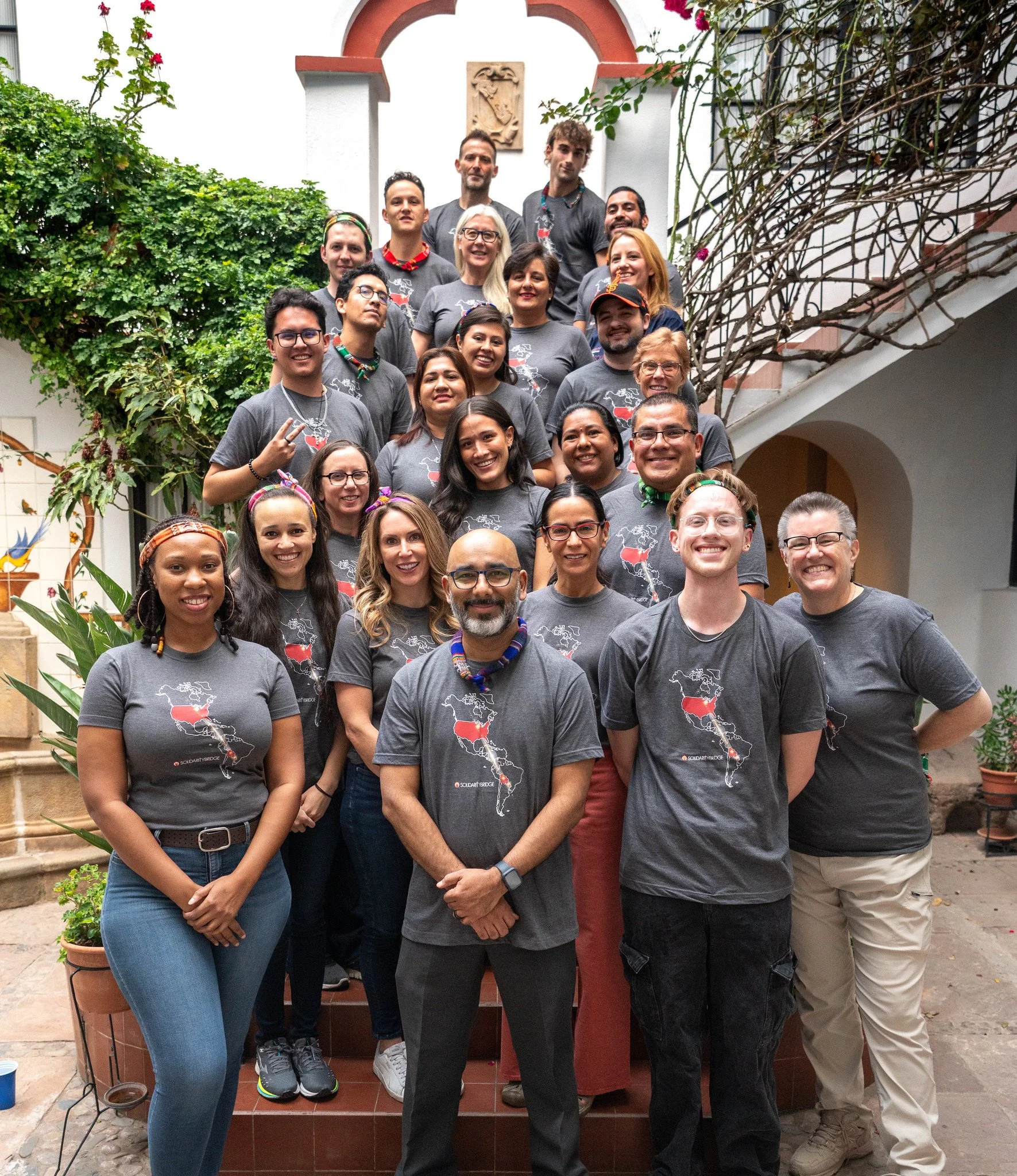
November 2025 marked the NNI’s fourth neurotrauma partnership trip to Hospital Santa Bárbara, where government and health officials once again warmly welcomed the team in continuation of this long-term collaboration in neurotrauma treatment and recovery.
Building Trust, Capacity, and Collaboration
The initial two years of the collaboration emphasized relationship building, trust development, and professional exchange across neurosurgery, anesthesia, critical care, and rehabilitation. Specialist teams provided hands-on training for Bolivian attending physicians and residents, working side by side within the unique clinical context in Sucre. In 2023, institutional partners from the University of Colorado, the University of California–Davis, University of Washington, and Stanford University began working closely with Bolivian colleagues to advance data collection, research initiatives, and professional training. Key accomplishments included the development of a neurotrauma registry, use of pupillometry for non-invasive neuromonitoring, and the creation of a year-round neurocritical care education program initiated and led by our U.S. institutional partners.
Seeing Impact in Year Four
The November 2025 trip had much to celebrate in the partnership’s fourth year. Returning neurosurgeons were deeply moved by visits from patients treated in prior years, many of whom reported positive outcomes and sought guidance for ongoing care. The U.S. neurosurgery team noted clear advances in the surgical skills of their Bolivian colleagues, as well as increased proficiency with donated equipment. The Hospital Santa Bárbara Neurosurgery Department also grew from zero residents in 2019 to four residents by 2025, while essential medical equipment that Solidarity Bridge has provided—including a neurosurgical microscope, electrical drill, Mayfield head stabilization system, ultrasonic aspirator, and other high-value tools—continue to greatly improve care.
A Focus on Skills Transfer
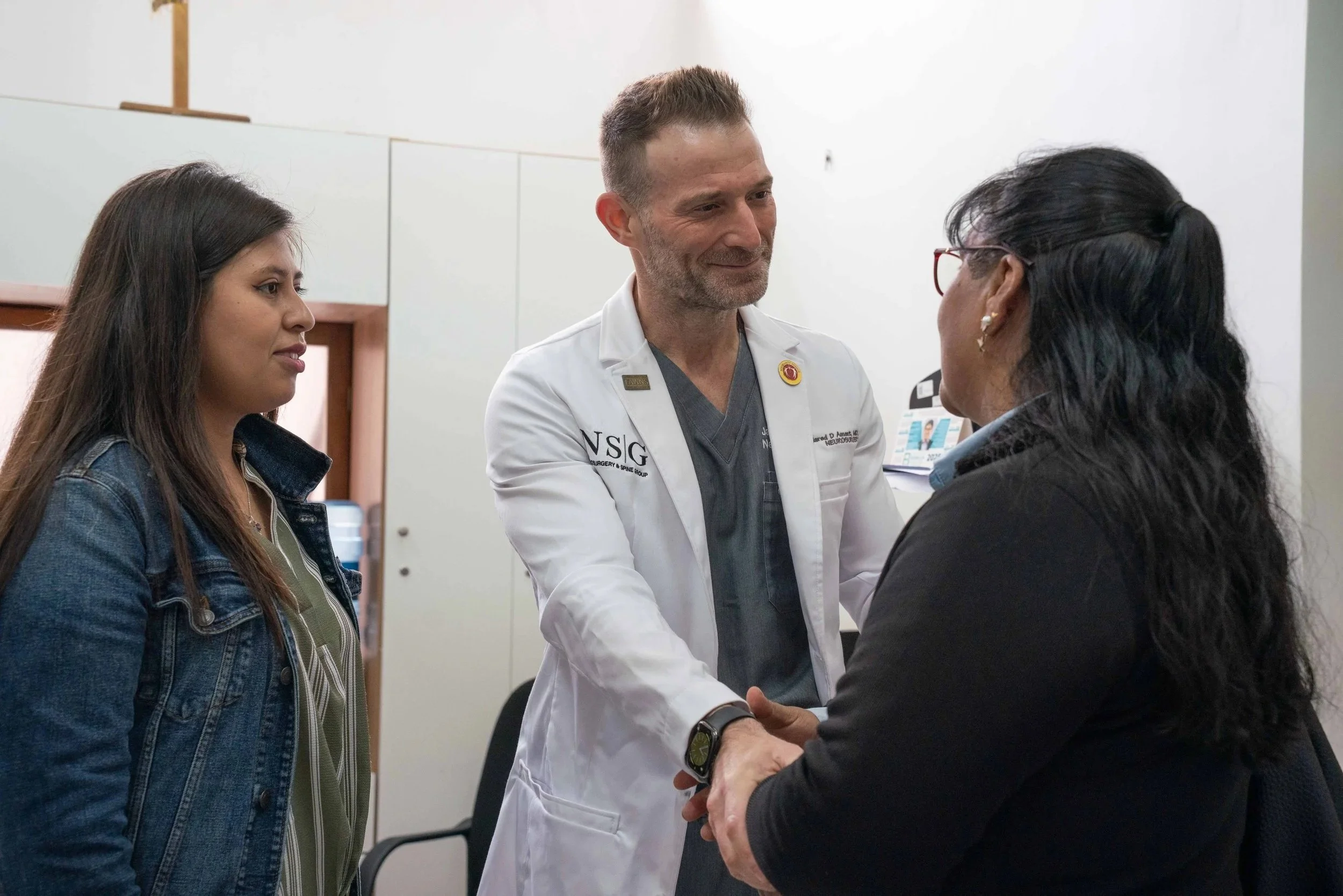
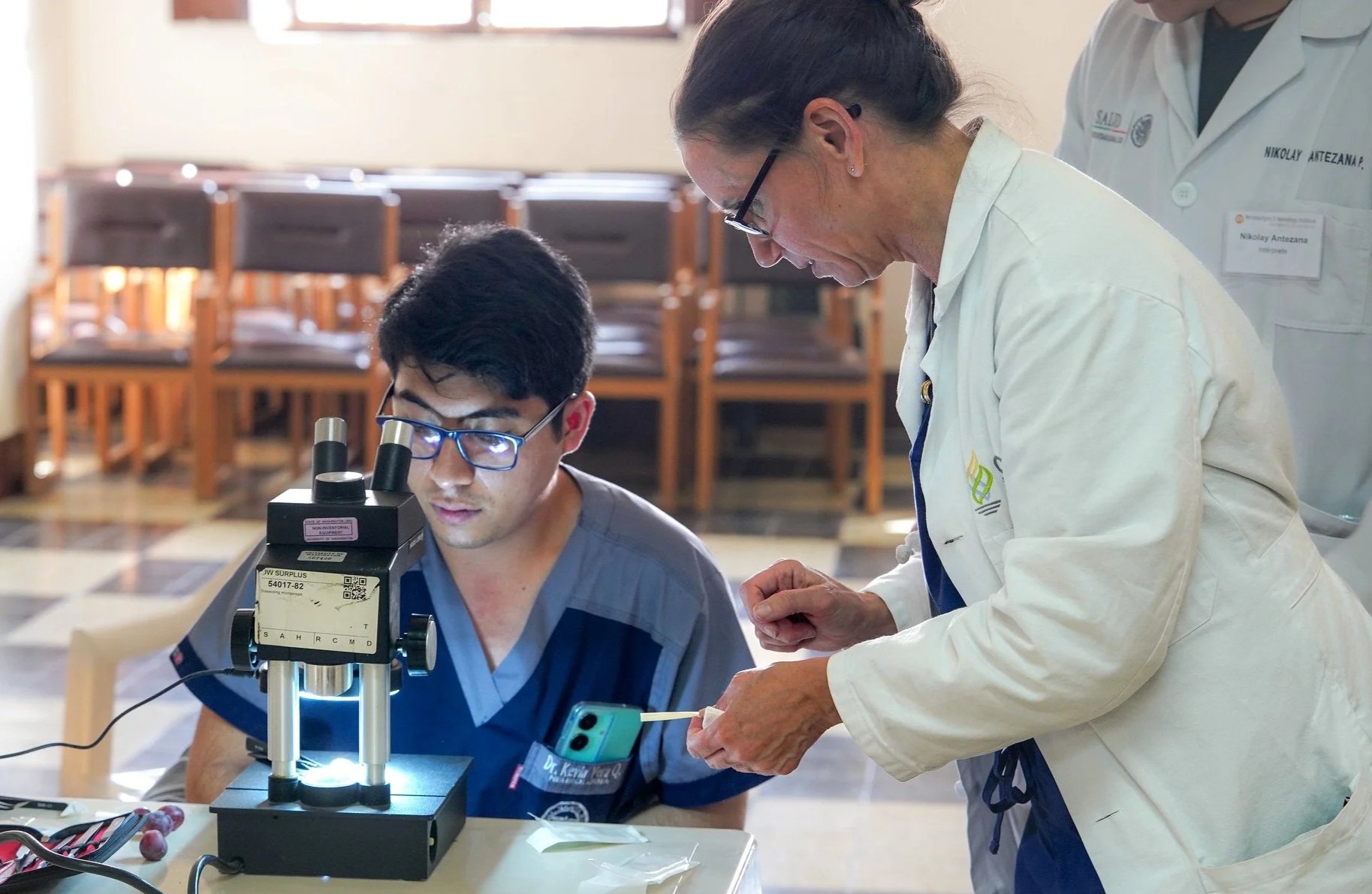
The NNI has increasingly organized focused neurosurgical campaigns centered on specific pathologies to support effective skills transfer. Over the past two years, Dr. Jared Ament has concentrated on training Bolivian neurosurgeons in microvascular decompression (MVD) for the treatment of trigeminal neuralgia. In November, Dr. Ament reported successful skill transfer, positioning the hospital to independently manage future cases with the option for continued virtual mentorship. Meanwhile, returning neurosurgeon Dr. Barbara Lazio played a pivotal role in clinical consultations, overseeing surgeries, and led a microsurgery skills laboratory for neurosurgery residents.
Advancing Neuroanesthesia and Critical Care Research
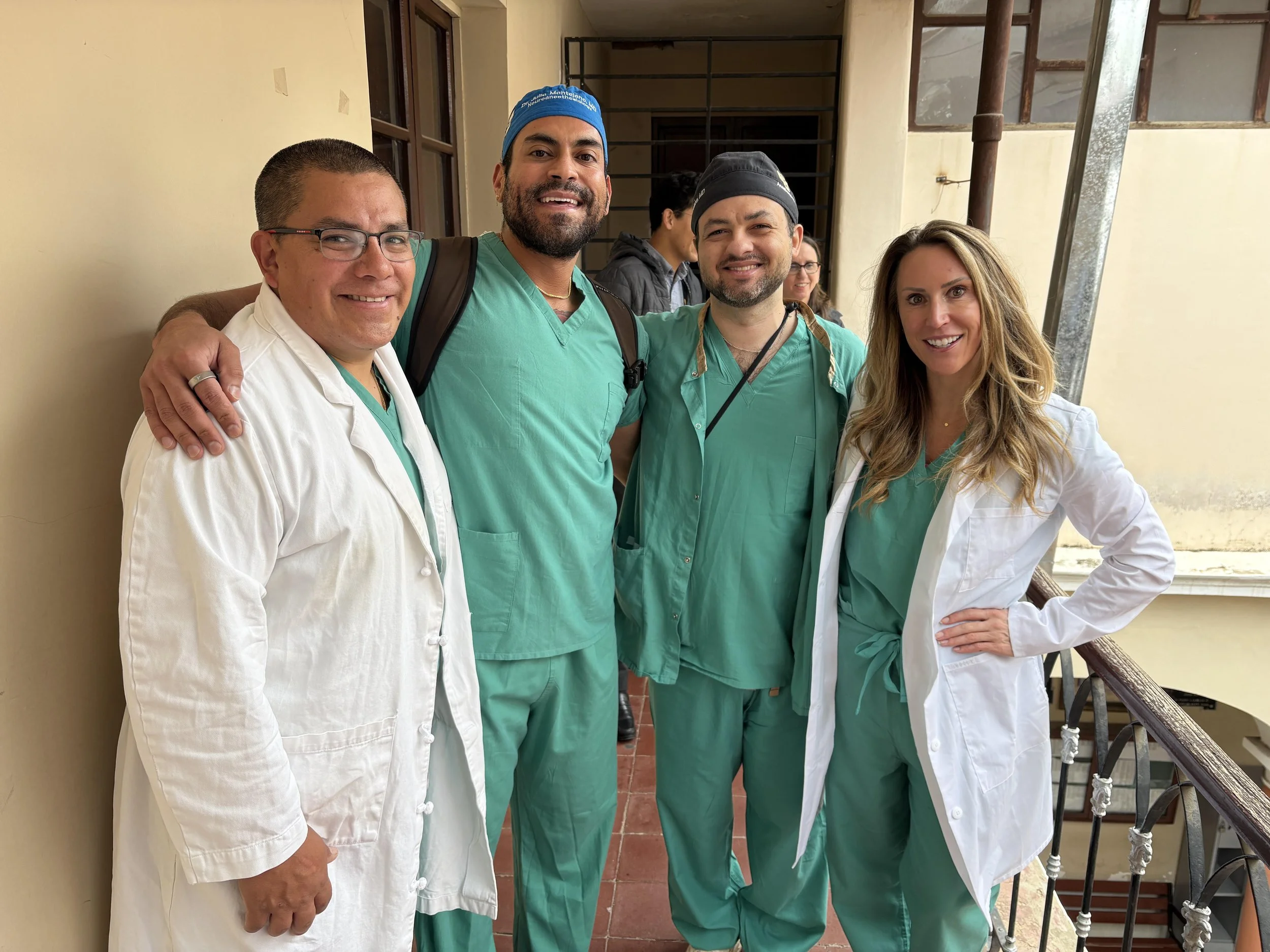
On the fall trip, neuroanesthesia and neurocritical care physicians from the University of Colorado discussed outcomes from a U.S.–Bolivian collaborative research study launched in November 2024. The study involved 65 patients and focused on the use of pupillometry for non-invasive neuromonitoring. The results, part of a multi-country study, will be disseminated jointly. U.S. team members observed improvements in sedation weaning protocols and enhanced coordination in patient triage. The U.S. and Bolivian anesthesia teams also initiated a new study examining radiation exposure among medical personnel. Data collection will continue in Bolivia in 2026, with potential implications for advocating increased access to protective lead aprons for operating room staff.
Strengthening Rehabilitation and Caregiver Support
The U.S. and Bolivian rehabilitation teams were highly engaged throughout the week. Physical Medicine and Rehabilitation specialist Dr. Jennifer Doble Check and speech-language pathologist Dr. Victoria Weaver returned to Sucre to continue collaboration with the Santa Bárbara rehabilitation department, expanding their training to include critical care, nursing, and neurology teams. They provided bedside education for patients and family caregivers—an especially valuable support given short hospital stays and limited access to post-discharge rehabilitation services. The team offered practical guidance for home-based therapy and daily care and supported the installation of a television in the rehabilitation area to display Spanish-language educational videos for families affected by neurotrauma, stroke, and other neurological disorders.
Collaborative Research Initiatives
Meanwhile, the NNI research team, composed of neurosurgery residents from the University of California–Davis, spent the week working closely with medical staff and residents to strengthen the ongoing neurotrauma registry at Hospital Santa Bárbara. In 2025, NNI also welcomed a research fellow who will reside in Sucre year-round to support data collection efforts in collaboration with the hospital and UC Davis team.
Biomedical Engineer Equipment Maintenance
The November trip was further strengthened by the participation of a team of U.S. biomedical engineers supported by the TriMedx Foundation who inspected and repaired critical equipment and laid the groundwork for an ongoing partnership focused on maintaining essential peri-operative technology at Hospital Santa Bárbara.
Looking Ahead Together
The partnership in Sucre has been both impactful and challenging. By the end of the week, there was a shared sense of excitement, momentum, commitment, and friendship. It has been inspiring to witness the deep collegial trust that has developed and is now bearing fruit for the people of Sucre and the surrounding region who rely on these medical professionals during moments of crisis. This exchange does not end when teams return to the United States—many NNI participants continue collaborating with their Bolivian colleagues throughout the year, engaging their home institutions and networks to sustain and expand this vital work.
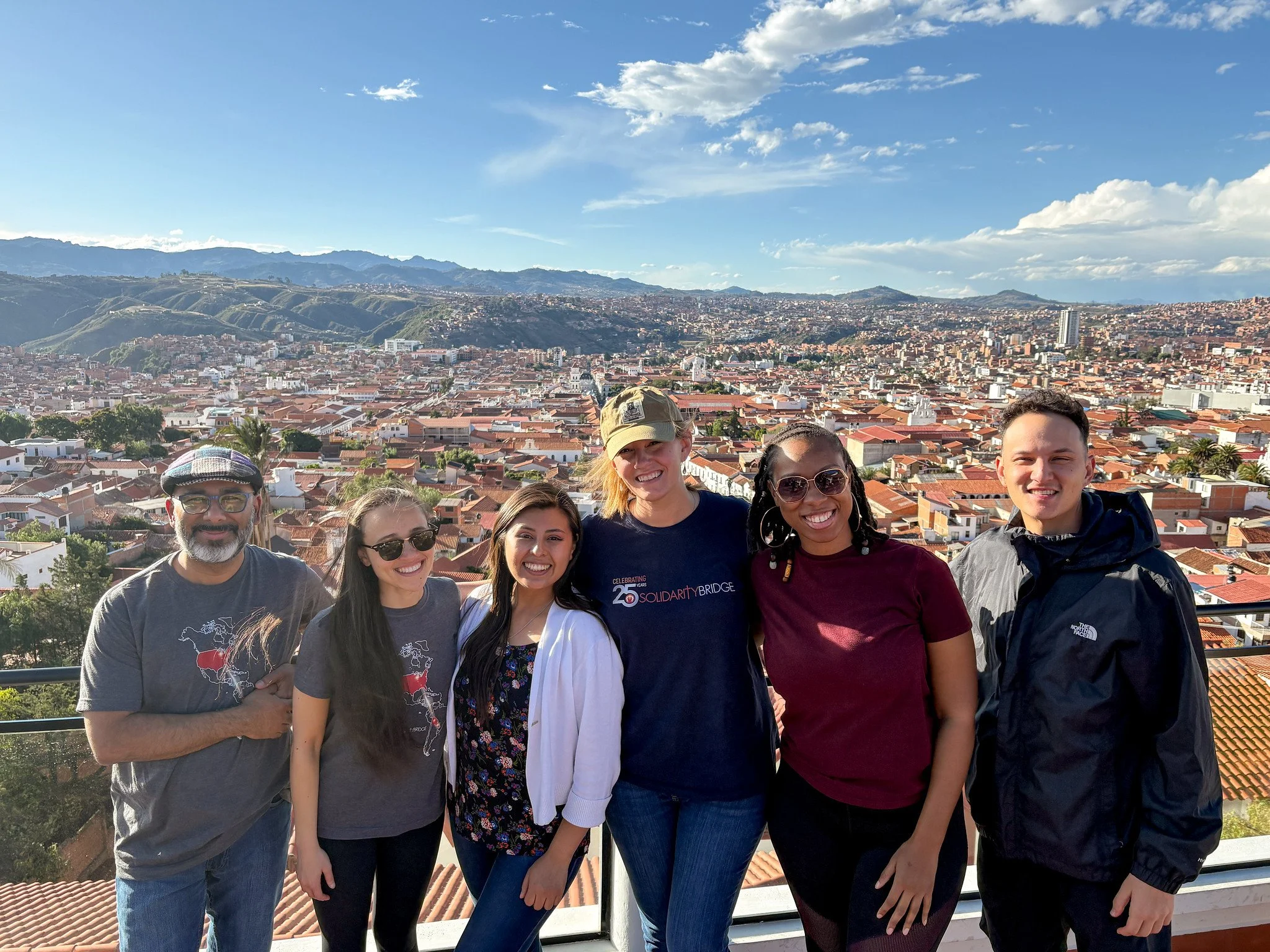
As we begin a new year, we look forward to new milestones, new partnerships, and new stories of hope and transformation along this growing bridge of solidarity.
Thanks to our US team members: Jared Ament, Luis Cava, Jennifer Doble, Barbara Lazio, Gunnar Lee, Marisa Marsolek, Richard Moser, Joe Sherman, Maritza Taylor, Victoria Harding, Julio Montejano, Lucas Suazo, Rene Portillo, Samantha Andrews, Douglas Gurdak, and Deb Winarski.
Thanks to our Bolivian partners: Hospital Director Dr. Ricardo Estrada; former Hospital Director David Gumiel; David Gardeazabal; Sergio Romero and the neurosurgery team; Estrella Villarroel and the anesthesiology team; Mary Montero and the critical care team; Ines Vilelo and the rehabilitation and physiotherapy team; Puente de Solidaridad, our Bolivian sister organization; and the interpreter team.
